The ranges — and what they actually mean
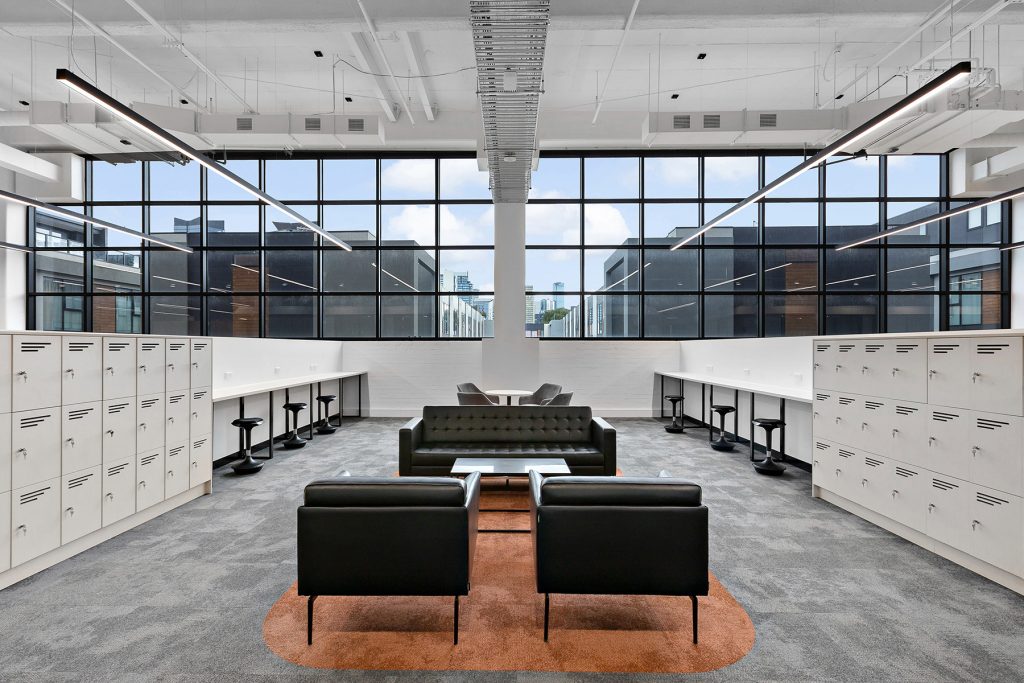
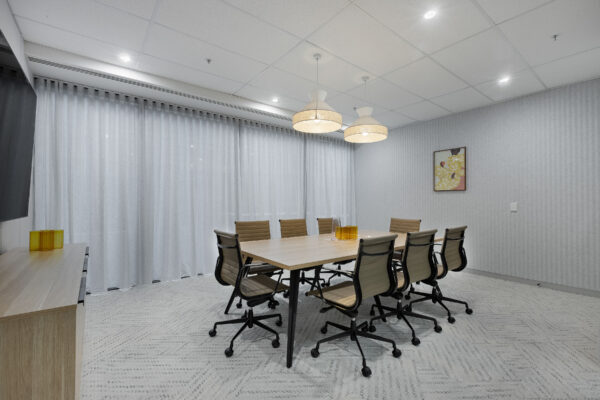
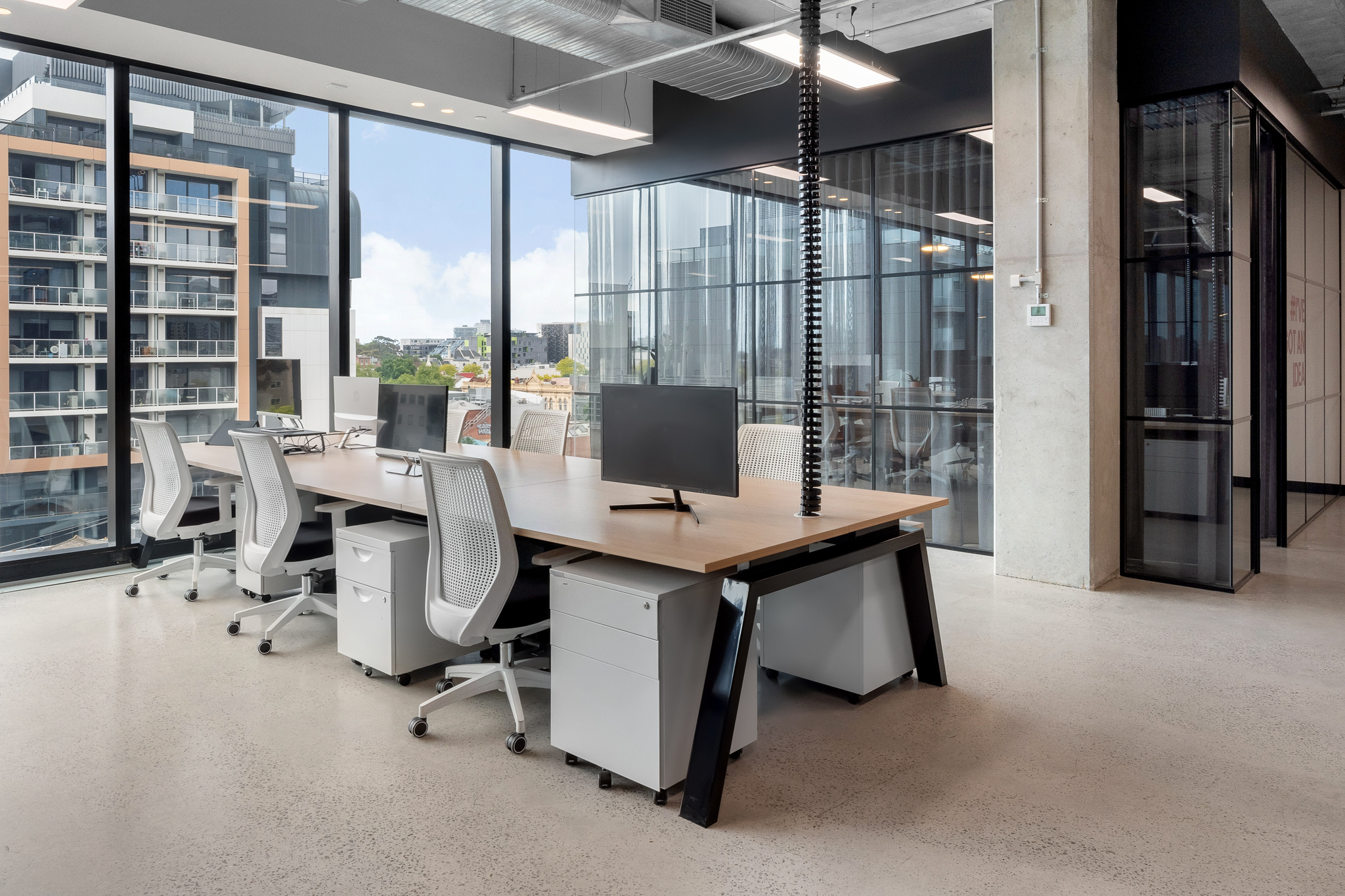
Melbourne office fitouts generally fall into three broad categories. A functional, no-frills fitout runs around $800 to $1,200 per square metre. A mid-range fitout with proper meeting rooms, quality finishes and staff amenities sits between $1,200 and $1,800. A premium or highly customised fitout starts at $1,800 and can go well beyond $2,800 per square metre.
These are construction costs. They don’t include furniture, AV equipment, IT infrastructure, or moving costs, all of which need to be factored into your total budget.
What actually moves the number
The per square metre figure is a starting point. Here’s what pushes it up or down.
The condition of the existing space. A bare shell costs more to fitout than a space with serviceable ceilings, flooring and services already in place. If the previous tenant left things in good condition, there may be plenty you can reuse.
How many enclosed rooms you need. Open plan fitouts are significantly cheaper than cellular layouts with lots of meeting rooms, glass partitions, and offices. Every wall you add brings approvals, fire services adjustments, and additional trades.
The quality of finishes. The gap between mid-range and premium is mostly in the details, joinery, flooring, lighting, kitchen finishes. These are visible every day and they age very differently. Cheap finishes tend to look cheap quickly.
Custom vs off the shelf. Custom joinery and furniture costs more upfront but is designed for your specific space. Off the shelf is faster and cheaper but may not use the floor plate as efficiently.
Building age and services condition. Older buildings sometimes require mechanical, electrical or fire upgrades to meet current codes before the fitout can begin. This can add significant cost and isn’t always visible until work starts.
Approvals. Depending on the scope, you may need landlord approval, building permits, or both. These add cost and time, particularly for more complex projects.
Your timeline. If you need it done fast, it costs more. Accelerated programs mean more trades on site at once, often including weekend work. Build the timeline into your planning early — it’s one of the easiest ways to keep costs under control.
The hidden costs people forget
A few things that often catch businesses off guard.
Make good obligations on your existing lease. You may be required to return your current space to its original condition before you leave. This can be a significant cost, stripping out fitout, patching walls, repainting, and it needs to sit in your budget from the start. We help clients understand exactly what their lease requires before they commit to anything.
Loose furniture. Workstations, chairs, breakout furniture, almost always separate from the construction quote.
IT and AV. Cabling, data points, screens, video conferencing equipment. Budget at least $1,000 to $2,000 per workstation as a starting point.
A contingency. On any fitout, allow 10 to 15% above your quoted figure for variations, unexpected building conditions, or decisions that change during the build. It’s not pessimism, it’s just how construction works.
When should you start planning?
Earlier than you think. If you’re moving office or your lease is coming up, we’d recommend starting conversations at least four to six months out. That gives you time to get the design right, navigate approvals without pressure, and not be making rushed decisions because the clock is running.
If you’re working to a tight deadline, it’s worth having that conversation early too, we can often find ways to compress timelines where the project allows.
So what will my fitout cost?
The honest answer: we don’t know until we understand your space, your brief, and what you’re trying to achieve.
What we can do is have an early conversation, give you a realistic sense of what your budget will get you, and make sure there are no surprises further down the track.
That conversation costs nothing.